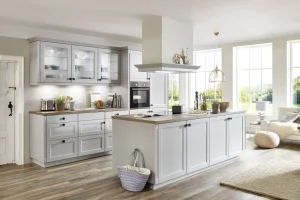

Bathroom Cabinets Turkey
Bathroom Cabinets Turkey: The Technical Sourcing and Engineering Guide to Premium Waterproof Vanity Systems
The international hospitality, commercial development, and high-end residential sectors have experienced an industrial paradigm shift. When procurement managers, real estate developers, and architectural firms specify premium vanity setups, the Bathroom Cabinets Turkey global trade corridor represents an elite manufacturing benchmark. Operating at the intersection of advanced automated manufacturing hubs and centuries-old Mediterranean woodworking traditions, Turkish factories produce bathroom furniture lines capable of outperforming standard European alternatives on both mechanical longevity and cost efficiency.
Unlike standard residential living area furniture, bathroom cabinetry must operate within a highly volatile indoor microclimate. The substrate core, edge configuration, surface finish, and mechanical hardware are constantly subjected to extreme relative humidity spikes, direct liquid splashing, lingering ambient water vapor, and chemical contact from personal grooming products. This comprehensive technical guide analyzes the material sciences, industrial processing steps, architectural configurations, international compliance testing, and logistical optimization frameworks that define the premium Bathroom Cabinets Turkey industry.
1. Substrate Material Sciences: Engineering for Absolute Moisture Defiance
The fundamental failure point of any bathroom vanity is its substrate core. If low-grade, non-rated core boards are used, moisture will inevitably breach the panel, leading to permanent volumetric swelling, structural core weakening, edge-banding blowout, and dangerous fungal mold propagation. Sourcing managers working within the Bathroom Cabinets Turkey sector must specify high-performance, water-resistant substrates tailored to humid bathroom zones.
Substrate Hydrophobic Resistance Vector:
[Standard Chipboard] ---> [Standard MDF] ---> [Green-Core MR-MDF] ---> [Compact Phenolic Laminate] ---> [Co-Extruded PVC Foam Board]
Low Resistance <----------------------------------------------------------------------------------------------------> Absolute Immunity
Moisture-Resistant Medium Density Fiberboard (MR-MDF)
Standard MDF absorbs ambient moisture rapidly via capillary action through its exposed wood fibers. To solve this, premium producers of Bathroom Cabinets Turkey products rely on advanced MR-MDF, easily recognized by its integrated green structural dye indicator.
- Chemical Infusion: During the initial refining and fiber cooking process, hydrophobic paraffin wax emulsions and moisture-resistant melamine-urea-formaldehyde (MUF) or polymeric diphenylmethane diisocyanate (pMDI) resin chains are chemically blended directly into the soft timber fibers.
- Swelling Performance Metrics: Under European Standard EN 317, panels are subjected to full water submersion for 24 hours. Premium green-core MR-MDF utilized in Turkish factories exhibits a thickness swelling rate of less than 5% to 8%, compared to standard cabinetry boards which routinely exceed 15% to 20% degradation.
- Internal Bond Strength: The specialized resin matrix yields an internal bond strength exceeding 0.75 N/mm² under EN 319 testing, ensuring that wall-mounted vanity brackets remain securely anchored into the wood fibers even when carrying heavy dynamic loads.
High-Pressure Compact Phenolic Laminate (HPL)
For high-traffic commercial environments, public airport washrooms, and minimalist floating vanity profiles, Turkish manufacturers deploy self-supporting solid phenolic compact laminates.
- Composition and Molecular Density: Multiple layers of kraft paper impregnated with thermosetting phenolic resins are pressed simultaneously with decorative surface sheets under extreme heat (≥ 140°C) and high high-pressure (≥ 5 MPa).
- Technical Performance: The resulting board has a density exceeding 1,350 kg/m³, rendering it entirely non-porous. It is 100% waterproof, immune to delamination, and completely resistant to rotting or boiling steam exposure.
Co-Extruded Structural PVC Foam Boards
At the peak of total water protection—especially for under-sink base panels vulnerable to piping failures—specialized Turkish suppliers use co-extruded Polyvinyl Chloride (PVC) foam sheets.
- Density Engineering: Calibrated between 0.55 g/cm³ and 0.70 g/cm³ to mimic the exact screw-holding capacities and mechanical handling metrics of natural timber.
- Technical Advantage: Exhibits 0% moisture absorption, complete chemical resistance to household acids, and zero biological risk of insect damage or mold cultivation.
2. Industrial Surface Finishing Technologies: Protective Lacquer, Wood Veneers, and 3D Thermofoil
The surface skin of a Bathroom Cabinets Turkey product acts as the primary barrier against physical impacts, chemical staining, and liquid water entry. Turkish industrial finishing lines rely on fully enclosed, positive-pressure clean rooms to apply multi-layered, durable surface shields.
Multi-Layer Polyurethane and UV-Cured Robotic Lacquering
Turkish automated high-speed spraying lines use robotic reciprocators to achieve perfectly uniform gloss or deep-matte finishes without surface defects.
Precision Lacquer Layering Architecture:
+-------------------------------------------------------+

| Topcoat: Scratch-Resistant UV / Acrylic Clear Layer   |
+-------------------------------------------------------+

| Color Coat: Aliphatic Polyurethane Colored Resin Base |
+-------------------------------------------------------+

| Isolator: Hydrophobic Anti-Moisture Barrier Sealer    |
+-------------------------------------------------------+

| Substrate Layer: Calibrated Green-Core MR-MDF Core    |
+-------------------------------------------------------+
- The Isolator Coating: A low-viscosity, clear resin sealer is sprayed directly onto the raw, sanded MR-MDF panel. This coat sinks deep into the wood fibers, sealing the pores and preventing the substrate from drawing solvents out of subsequent paint layers.
- The Polyurethane Primers: Two to three layers of high-solid polyurethane primer are applied. Each layer is cured and mechanically sanded using fine abrasives (up to P400 grit) to eliminate any surface orange-peel effects.
- The Aliphatic Color Resin: An aliphatic polyurethane color coat provides high ultraviolet (UV) stability. This ensures that the vanity color will not yellow or fade when exposed to direct sunlight coming through bathroom windows.
- The Cross-Linked UV Topcoat: A hard, scratch-resistant acrylic or UV-curable topcoat seals the system. UV curing triggers an instantaneous photochemical cross-linking reaction, yielding a hard clear coat (up to 2H pencil hardness) that easily sheds water.
Vacuum Membrane Pressing and Polymer Thermofoils (PVC / PET)
For seamless, joint-free cabinet door faces, Turkish factories use advanced 3D vacuum membrane presses (such as Wemhöner or Bürkle systems).
- The Slicing Process: A single piece of MR-MDF is CNC-routed with desired face contours, profiles, and integrated finger-grip handles. A high-performance polyurethane hot-melt adhesive is precisely spray-applied to the face and raw edges. A flexible sheet of Polyvinyl Chloride (PVC) or Polyethylene Terephthalate (PET) is heated to its softening point and pulled over the panel using a powerful vacuum combined with positive hydraulic air pressure.
- Technical Performance: Because the foil wraps completely around the front and all four edges of the door panel in a single operation, there are absolutely no exposed edge joints. This eliminates the primary point of moisture ingress common to lower-grade cabinetry.
Natural Wood Veneer with Hydrophobic Topcoats
For luxury rustic, modern organic, or japandi-style vanities, Turkish artisans bond thin cuts of natural European Oak or Turkish Walnut to the MR-MDF substrate.
- Protection Layering: The natural wood pores are sealed using open-pore or closed-pore acrylic clear coats that maintain the authentic, tactile texture of the wood grain while providing an impermeable barrier against standing water droplets.
3. Structural Joinery and Edge-Banding Engineering
A bathroom cabinet’s long-term durability depends on the strength of its joints. When specifying product lines within the Bathroom Cabinets Turkey procurement network, understanding the assembly adhesive and structural frameworks is essential for quality control.
PUR (Polyurethane) Edge-Banding vs. Traditional EVA Hot-Melt
Traditional furniture assembly lines use Ethylene Vinyl Acetate (EVA) hot-melt adhesives for edge-banding. However, EVA can re-soften when exposed to heat and has poor resistance to water exposure. High-end Turkish production facilities have transitioned their edge-banding machinery (Homag, Biesse, and SCM lines) to PUR technology.
EVA Hot-Melt Joint vs. PUR Interlocking Joint:
[EVA Glue Line]     ---> Linear Polymer Chains ---> Re-Softens with Shower Steam ---> Core Swelling
[PUR Adhesive Joint] ---> Irreversible Chemical Cross-Linking ---> Steam Proof Matrix ---> 100% Waterproof
- The PUR Chemical Reaction: PUR adhesive sets through a two-phase process. It cools down to create a fast physical bond, then undergoes an irreversible chemical cross-linking reaction with ambient moisture over 24 to 48 hours. This reaction alters the polymer structure permanently.
- Performance Benefits: Once fully cured, a PUR adhesive bond line cannot be re-melted by steam from hot showers. It offers a razor-thin glue line (nearly invisible to the eye), exceptional heat resistance up to 150°C, and complete waterproofing along the vulnerable edge margins of carcass panels.
Industrial Cabinet Assembly Architecture
To guarantee structural rigidity under the weight of heavy ceramic or natural stone basins, Turkish cabinets utilize robust mechanical and adhesive joinery:
- Dowel and Cam-Lock Systems: Precision automated boring machines drill matching matrices for solid beech dowels and high-tensile zinc-alloy cam fasteners. The dowels provide sheer strength, while the cam-locks provide long-term clamping tension.
- Blind Dado and Groove Construction: Back panels are never simply stapled onto the rear of the cabinet carcass. Instead, they are recessed into routed grooves located 10mm to 15mm inside the frame perimeter. This design creates an internal air gap that prevents moisture on the bathroom wall from directly wicking into the cabinet’s backboard.
4. Hardware Integration: Managing Weight and Dynamic Loads in Wet Zones
The user experience of a premium Bathroom Cabinets Turkey product is heavily dictated by its mechanical components. Due to the high density of MR-MDF, solid surfaces, and ceramic tops, the integrated hardware must possess exceptional load-bearing capacities and corrosion resistance.
Heavy-Duty Wall-Hanging Brackets for Floating Vanities
Modern bathroom design favors floating, wall-mounted vanities because they maximize floor visibility and simplify cleaning. This layout places immense leverage forces on the upper rear corners of the cabinet carcass.
Floating Vanity Stress Vector Paths:
+---------------------------------------+   || Wall Mount Bracket Hanging Rail

| Cabinet Carcass Frame                 |===[#] (Anchored directly to wall structural framing)
|                                       |   ||
|                                       |   \/ Downward Gravitational Force (Vanity + Basin Weight)
|                                       |
|                                       |====> Outward Tensile Leverage Vector
+---------------------------------------+
- Mechanical Load Specifications: Turkish manufacturers utilize heavy-duty, fully concealed steel hanging brackets (such as Camar or Italian-engineered systems) capable of supporting dynamic weights from 150kg up to 300kg per pair.
- Three-Way Adjustment Matrix: These advanced brackets feature internal adjustment screws accessible from inside the cabinet. This allows installation technicians to adjust the height, depth, and leveling of the vanity by up to 15mm after it is hung on the wall, ensuring seamless alignment against uneven tiles.
Corrosion-Resistant Concealed Hinge and Runner Systems
The high humidity inside residential bathrooms will quickly rust low-grade steel hinges, leading to squeaking, sagging doors, and failed soft-close mechanisms.
- Salt-Spray Testing Compliance: Premium Turkish furniture lines incorporate hardware (such as Blum, Hettich, or Samet) that has undergone rigorous salt-spray testing under ISO 9227 standards for a minimum of 48 to 96 hours without showing signs of red rust.
- Integrated Hydraulic Dampening: Hinges and undermount drawer slides feature integrated, oil-filled soft-close cylinders. These mechanisms self-regulate to absorb the closing kinetic energy of heavy doors, preventing structural jarring and ensuring completely silent operation.
5. Basin and Countertop Integration: Materials and Sealing
A Bathroom Cabinets Turkey solution is incomplete without its integrated washing basin and countertop surface. The interface where the countertop meets the cabinet core is a primary critical failure zone for water damage.
Integrated Solid Surface and Quartz Countertops
- Engineered Quartz: Made from roughly 93% natural quartz aggregates bound together with high-performance polyester resins. Quartz surfaces are completely non-porous, highly scratch-resistant, and completely impervious to bathroom chemicals like acetone or hair dyes.
- Acrylic Solid Surfaces (e.g., Corian): A blend of acrylic polymer resins and aluminum trihydrate minerals. Solid surfaces allow Turkish fabricators to thermoform completely seamless countertop-and-sink combinations. Because there are no seams between the basin bowl and the countertop surface, dirt accumulation and water leakage are structurally impossible.
Vitreous China and Ceramic Vanity Tops
For cost-effective, high-hygiene solutions, classic ceramic vanity tops remain highly favored in Turkish production lines.
- Manufacturing Standards: Fired at temperatures exceeding 1,200°C, the glaze fuses completely with the clay body, creating an ultra-smooth, scratch-proof surface that is completely resistant to bacteria buildup and chemical etching.
- Drip Edge Engineering: High-quality Turkish ceramic vanity designs incorporate an integrated raised perimeter lip (drip edge). This subtle boundary prevents water from cascading over the sides and front of the basin, routing it back down into the drain and protecting the wooden cabinet faces underneath.
Technical Performance Matrix for Bathroom Countertops
| Countertop Material | Porosity Rating % | Scratch Resistance (Mohs Scale) | Seamless Basin Integration | Chemical Resistance Profile |
|---|---|---|---|---|
| Engineered Quartz | < 0.05% | 7 | No (Under-mount / Top-mount) | High (Resists Acids & Solvents) |
| Acrylic Solid Surface | 0.00% | 3 – 4 | Yes (Thermoformed Seamless) | Medium-High (Avoid Acetone) |
| Vitreous China | 0.00% | 6 | Yes (Molded Monoblock) | Maximum (Immune to household chemicals) |
| Natural Marble | > 0.50% | 3 – 4 | No (Requires Sealing Joints) | Low (Prone to Acid Etching & Staining) |
6. The Landscape of Turkish Bathroom Cabinet Manufacturing Hubs
Turkey’s furniture manufacturing capacity is highly decentralized, with distinct regional hubs specializing in specific production methodologies, price points, and technological capabilities. Knowing these geographic specializations is essential for international procurement teams looking for Bathroom Cabinets Turkey suppliers.
Bursa – İnegöl: The Automation and Scale Capital
İnegöl stands as an industrial juggernaut in the global furniture sector, housing thousands of interrelated manufacturing facilities, specialized logisticians, and material suppliers.
- Industrial Infrastructure: Factories here feature massive industrial layouts equipped with high-speed automated CNC lines, through-feed edge-banders, and robotic UV finishing tunnels.
- Market Alignment: Highly optimized for high-volume contract manufacturing, flat-pack (RTA – Ready to Assemble) production, and large-scale residential development projects requiring swift turnarounds.
Kayseri: High-Capacity Modular Production
Located in Central Anatolia, Kayseri hosts some of the largest consolidated manufacturing footprints in the region.
- Production Footprint: These facilities operate on lean manufacturing principles, focusing on highly standardized modular bathroom furniture series.
- Strategic Advantage: Exceptional quality-to-cost ratios, robust international supply chain links, and highly optimized packaging systems tailored for global container shipping.
İstanbul and the Marmara Region: Bespoke Design and Luxury Sourcing
The industrial zones surrounding Istanbul cater to high-end architectural specifications, luxury boutique hotels, and highly customized premium projects.
- Artisanal Integration: These fabricators focus on low-volume, high-complexity production runs. They routinely combine premium MR-MDF with exotic natural wood veneers, precision metalwork, integrated smart LED lighting, and custom stonework.
- Design Agility: Highly responsive to emerging European design trends, working closely with international architects to execute complex, non-standard geometric layouts.
7. Architectural Configurations and Space Optimization
Modern bathroom layouts demand that a Bathroom Cabinets Turkey design optimize internal storage capacity while safely routing complex, multi-zone plumbing arrays.
Smart Drawer Engineering around Plumbing Inclusions
The single biggest design hurdle in bathroom vanity construction is managing the under-sink siphon and supply lines without wasting internal storage volume.
U-Shaped Drawer Cutout Topology:
+-----------------------------------------------+

|  Drawer Left Storage  |        | Drawer Right |
|                       |  U-    | Storage      |
|                       | Cutout |              |
|                       +--------+              |
+-----------------------------------------------+
                 [Accommodates Siphon Pipe Area]
- U-Shaped Drawer Bottoms: Rather than installing a shallow drawer or a completely static dummy panel face, Turkish manufacturers utilize custom CNC-cut U-shaped drawer configurations. The metallic or wooden drawer sides wrap neatly around the plumbing siphon, keeping the remaining left, right, and front zones fully usable for cosmetic storage.
- Modular Plumbing Shields: High-grade drawers feature click-on plastic or powder-coated steel shrouds that fully isolate the internal drawer contents from the physical movement of the plumbing pipes, avoiding accidental snags or component damage.
Integrated Smart Technologies and Electrical Routing
The contemporary bathroom is an interconnected space requiring integrated electrical outlets, grooming stations, and ambient lighting grids.
- Defogging Mirror Cabinets: Wall-mounted upper medicine cabinets are engineered with ultra-thin, low-voltage carbon fiber heating mats bonded to the reverse side of the glass. When paired with the bathroom light switch, these mats keep the mirror crystal clear even during long, steaming showers.
- **Energy-Efficient LED Integration:**轉 Specialized tracks are routed directly into the cabinet panels to mount low-profile LED strips (IP44 waterproof-rated minimum). These offer subtle under-cabinet ambient night lighting and bright interior drawer illumination.
- Energy Chains for Internal Outlets: To allow hair dryers and electric shavers to remain plugged in inside deep drawers, manufacturers deploy flexible plastic energy chains (cable tracks). These tracks guide electrical wires safely behind the moving drawer box, preventing wires from pinching, kinking, or wearing down over time.
8. Compliance, International Certifications, and Quality Testing
For real estate developers, hospitality chains, and global importers, sourcing Bathroom Cabinets Turkey items requires rigorous verification of safety, environmental sustainability, and material performance metrics.
Formaldehyde Emission Control Standards (E1 vs. E0 Regulations)
Wood composites utilize chemical binders that emit trace amounts of volatile formaldehyde gas over time. High-density indoor environments like bathrooms require strict emission control.
- E1 Certification: The baseline standard for European import compliance. It mandates that formaldehyde release must not exceed 0.1 ppm (parts per million) when evaluated via chamber testing methods (EN 717-1).
- E0 / CARB Phase 2 Standards: Premium Turkish manufacturers targeting high-end eco-conscious projects utilize ultra-low formaldehyde resins that meet the strict California Air Resources Board (CARB) Phase 2 requirements, ensuring complete indoor air safety.
Environmental Sourcing (FSC Compliance)
- Chain of Custody: Responsible Turkish bathroom furniture manufacturers hold valid Forest Stewardship Council (FSC) Chain of Custody certification. This legal audit trail guarantees that every cubic meter of timber or wood fiber used in the substrate can be tracked back to sustainably managed forests and verified legal logging reserves.
Structural Performance Testing Protocols
Before a product line enters mass production, structural prototypes are subjected to punishing mechanized stress tests inside quality control laboratories:
- Slam Testing: Mechanical arms cycle door hinges and drawer runners through 50,000 to 80,000 open-and-close operations under full weight loads to simulate decades of daily family use.
- Static Load Capacity Evaluation: Wall-mounted floating units are subjected to static weights exceeding 200kg for extended durations to ensure no structural deformation occurs at the frame joints or wall anchor points.
9. On-Site Installation Engineering and Preventive Maintenance
The finest Bathroom Cabinets Turkey facility can produce will ultimately fail if it is compromised by substandard field installation or improper site maintenance. Following explicit installation protocols ensures your bathroom furniture maintains its long-term value.
Precise Wall Preparation and Substrate Anchoring
- Structural Blocking: Floating vanities should never be fastened purely into standard drywall sheets. The interior wall frame must feature solid timber blocking or heavy-gauge steel tracking securely tied into the structural studs at the exact installation height.
- Anti-Wicking Separation Shims: If the bathroom floor or wall tiles exhibit slight surface irregularities, installers utilize non-absorbent plastic leveling shims. This step aligns the cabinet carcass perfectly and prevents the wood panels from being warped or twisted when the mounting bolts are torqued down.
Comprehensive Hydrophobic Sealing Protocols
- Sanitary Silicone Application: Every single boundary line where the ceramic basin meets the countertop, and where the countertop meets the tiled wall surface, must be sealed with a high-performance, non-shrinking sanitary silicone sealant.
Countertop-to-Wall Sealing Cross-Section:
                          || Tiled Wall Surface
                          ||
  Sanitary Silicone Bead ===> [o]
                          ||____________________________
                          +-----------------------------+

                          | Countertop Substrate        |
                          +-----------------------------+
- Anti-Fungal Additives: Ensure the silicone contains specialized anti-fungal and anti-bacterial additives (such as silver ion technologies). This stops black mold from cultivating in the damp seams, preserving clean lines and hygiene.
- Plumbing Cutout Sealing: When installation technicians drill or cut holes through the cabinet floor to route hot and cold water supply lines, the raw, exposed inner core of the MR-MDF is exposed. These freshly cut edges must be coated immediately with a thick layer of waterproof polyurethane sealant or sanitary silicone before the plumbing trim plates are installed. Leaving these edges raw creates an easy path for slow pipe leaks to completely ruin the cabinet core.
Proactive Indoor Environmental Control
To preserve the lifetime value of high-quality bathroom cabinetry, homeowners and facility managers must maintain proper indoor environmental parameters:
- Mechanical Ventilation Control: Bathrooms must feature an active mechanical exhaust fan sized correctly for the room’s total air volume. The fan should run throughout the duration of any shower and remain active for at least 15 to 20 minutes afterward to clear out lingering ambient steam.
- Prompt Water Cleanup: While MR-MDF and PUR edge-banding offer exceptional resistance to high humidity, large amounts of standing water left pooling on wood surfaces or inside drawer compartments should be dried with a soft towel to prevent chemical etching or surface dulling.
- Safe Cleaning Products: Clean cabinet surfaces using a soft microfiber cloth slightly dampened with lukewarm water and a drop of pH-neutral dish soap. Avoid using abrasive scrubbing pads, ammonia-based formulas, bleach, or harsh limescale removers, as these chemicals will gradually strip away protective polyurethane coats and dull high-gloss lacquer finishes.
10. Conclusion: The Strategic Value of Sourcing Bathroom Cabinets from Turkey
Sourcing Bathroom Cabinets Turkey products offers international commercial buyers, developers, and homeowners an exceptional mix of durability, design flexibility, and cost efficiency. By combining highly resilient green-core MR-MDF, moisture-proof PUR edge-banding, and robust European hardware, Turkish manufacturing hubs deliver premium products built to withstand the demanding conditions of bathroom spaces. When you select the appropriate substrate, specify high-performance surface finishes, and enforce proper field installation techniques, your Turkish bathroom cabinetry stands as a beautiful, high-performing asset that adds long-term value to any residential or hospitality project.
Etiket:Acrylic Kitchen Cabinet Turkey, Bathroom Cabinet Models Turkey, Bathroom Cabinet Prices Turkey, Bathroom Cabinets Export Import Turkey, Bathroom Cabinets Turkey, High Gloss Kitchen Cabinet Turkey, Kitchen Cabinet Models Turkey, Kitchen Cabinet Prices Turkey, Lacquered Kitchen Cabinet Turkey, Membrane Kitchen Cabinet Turkey, Modern Bathroom Cabinet Turkey, Modern Kitchen Cabinet Turkey, Natural Wood Kitchen Turkey, Solid Wood Kitchen Turkey, Wood Veneer Kitchen Cabinets Turkey, Wooden Bathroom Cabinet Turkey, Wooden Kitchen Cabinet Turkey

Şunları da sevebilirsiniz
Lacquered Room Doors Production Turkey
Solid Wood Door Turkey